The Installation Journey
BESS installation is fundamentally more complex than solar PV. A solar park is panels on racks — the logistics are repetitive and well-understood. A utility-scale BESS involves heavy containers weighing 20+ tonnes each, high-voltage electrical systems, fire suppression infrastructure, liquid cooling loops, EMS/SCADA integration, and rigorous grid compliance testing.
Each phase has its own specialists, lead times, and dependencies. A delay in civil works pushes back electrical installation. Late EMS commissioning delays grid connection testing. And without TSOC approval, the system sits idle regardless of how perfectly it’s been installed.
Here’s every phase of a utility-scale BESS installation, based on our planned multi-park deployment across Cyprus. These aren’t theoretical timelines — they’re our confirmed production and installation schedule.
End-to-End Timeline Overview
Production
90 days
Shipping
50 days
Civil & Electrical
8–12 weeks
Grid Connection
2–4 weeks
Phase 1: Factory Production (90 Days)
The journey begins at the OEM factory. For our portfolio, that’s Linyang Energy in Nantong, China — one of the largest integrated BESS manufacturers globally. Each container is assembled as a complete unit: EVE LFP battery modules, Kehua power conversion system (PCS), battery management system (BMS), liquid cooling system, fire suppression, and container enclosure.
Each container delivers 5.015 MWh of nameplate capacity. The production process takes approximately 90 days from order confirmation to Factory Acceptance Testing (FAT).
Factory Acceptance Testing (FAT)
Every container is tested before shipment
- Cell-level voltage and capacity verification
- Module balancing and BMS calibration
- PCS power output testing
- Cooling system performance under load
- Fire suppression system integrity check
- Insulation resistance and hi-pot testing
Our team inspects at the factory before shipment. Non-conformances are resolved before containers leave the production line.
Phase 2: Shipping and Logistics (50 Days)
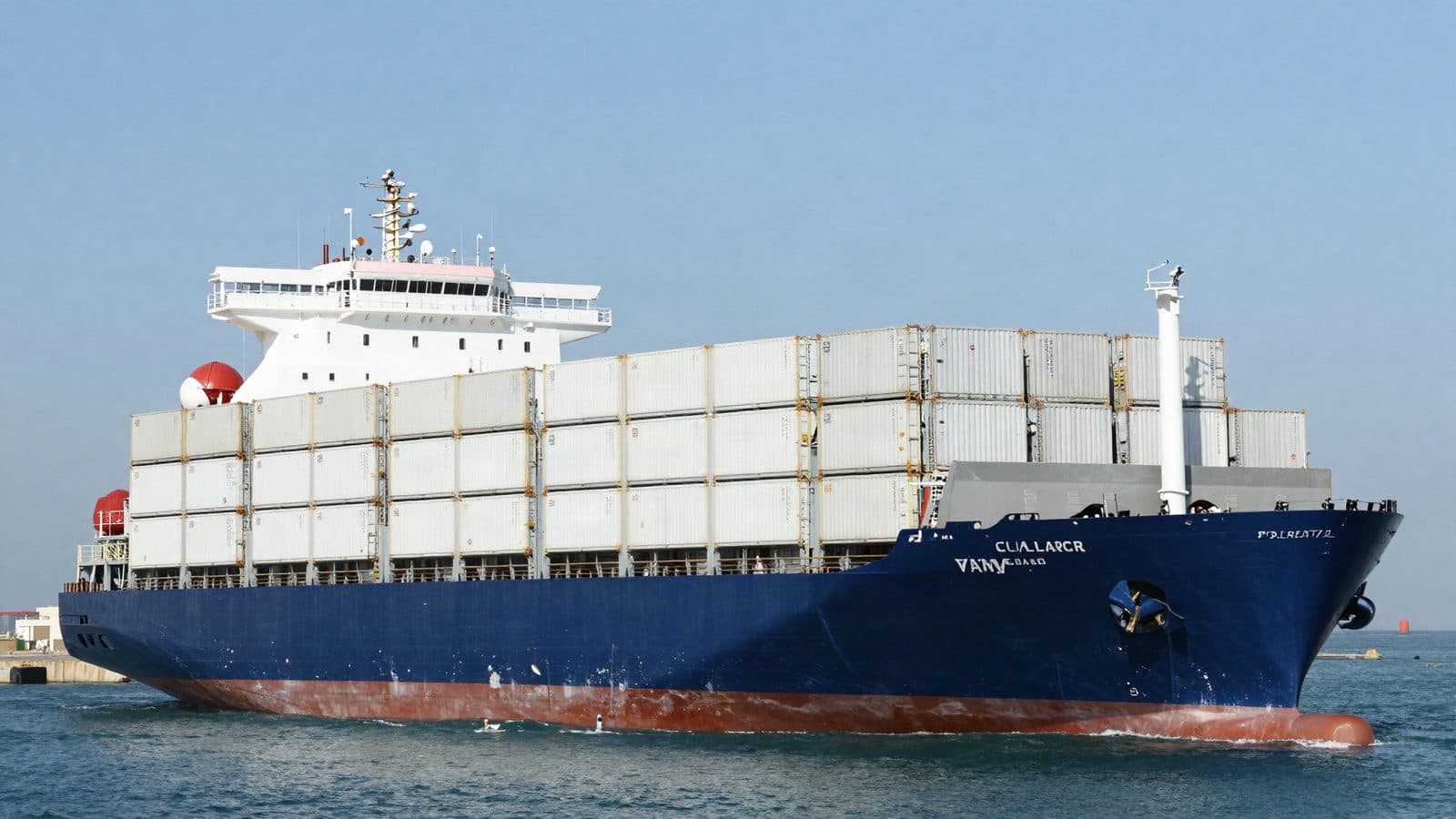
Once FAT is completed and approved, containers are loaded for CIF (Cost, Insurance, and Freight) delivery to Limassol port. The shipping route from eastern China to Cyprus takes approximately 40–50 days depending on vessel schedules and routing.
The logistics chain involves multiple parties and cost components, all of which need to be coordinated precisely to avoid demurrage charges and storage fees at port.
Shipping Cost Breakdown
Per-container and per-declaration costs
For a multi-container deployment, these “small” per-unit costs add up to a significant line item. They must be factored into every BESS CAPEX model.
Phase 3: Transport to Site
Once cleared through customs at Limassol port, containers must be transported to individual solar park sites across Cyprus. Each BESS container weighs approximately 20–23 tonnes and requires specialised heavy transport.
For our portfolio, we contracted A. Soulis for crane and transport services. The logistics involve coordinating across multiple parks, ensuring site access roads can handle the load, and scheduling crane availability.
€2,360
per container (crane & transport)
6× 20ft trucks
at 43 tonnes capacity each
Multiple sites
coordinated delivery schedule
Site access is a critical planning factor. Rural solar parks often have narrow access roads, soft ground, or overhead power lines that restrict crane operation. A site survey before delivery is essential.
Phase 4: Civil Works (4–6 Weeks)
Civil works prepare the site to receive the BESS containers. This phase runs in parallel with shipping where possible, so that sites are ready when containers arrive. The scope includes foundations, fencing, access roads, drainage, and fire access requirements.
Civil works are often underestimated in BESS budgets. Unlike solar racking which sits on simple driven piles, BESS containers require engineered concrete foundations capable of supporting 20+ tonnes of concentrated load.
Civil Works Scope
Budget: €2,000/MWh installed
Structural
- Reinforced concrete pads for each container
- Level foundations with proper drainage gradient
- Cable trenches between containers and switchgear
- Earthing/grounding grid installation
Site Infrastructure
- Perimeter security fencing
- Fire access roads (minimum 4m width)
- Stormwater drainage systems
- Lighting and CCTV infrastructure
Phase 5: Electrical Installation (4–6 Weeks)
The electrical installation phase connects the BESS containers to the existing solar park’s medium-voltage infrastructure and, ultimately, to the grid. This is the most technically demanding phase and requires qualified HV/MV electricians with BESS experience.
The electrical scope spans from low-voltage connections within and between containers, through medium-voltage cabling and terminations, to protection engineering and lightning protection systems.
LV Cabling
Low-voltage connections from container terminals to local switchgear. Includes DC cabling between battery modules and PCS, and AC output cabling to the LV busbar. Cable sizing must account for full charge/discharge current at ambient temperature extremes.
MV Cabling & Terminations
Medium-voltage cabling connects the BESS transformer to the park’s existing MV switchgear or ring main unit. Each feeder requires proper termination and testing.
Protection Engineering
Protection relay settings, fault current calculations, and coordination studies must be completed and approved before energisation. This ensures the BESS disconnects safely during grid faults without damaging equipment or creating safety hazards.
Lightning Protection & UPS
DEHN surge protection devices (SPD) and lightning protection system (LPS) safeguard the BESS against atmospheric discharge events. A UPS system ensures the BMS and cooling remain operational during brief grid outages — critical for cell safety.
Phase 6: EMS/SCADA Commissioning (2–3 Weeks)
The Energy Management System (EMS) and SCADA are the brain of the BESS. Without proper commissioning, the battery hardware is just an expensive box of chemicals. The EMS decides when to charge, when to discharge, how much power to deliver, and how to respond to grid signals.
For our portfolio, Voltus provides the EMS platform. Commissioning involves both local configuration at each park and integration into a global SCADA system that provides portfolio-wide visibility and control.
Local Setup
- Voltus EMS installation and configuration
- Local SCADA HMI setup and testing
- BMS-to-EMS communication verification
- Charge/discharge cycle testing
Global Integration
- Global SCADA platform integration
- Curtailment signal testing with DSO
- Communication protocol validation (Modbus/IEC 61850)
- Remote monitoring and alarm configuration
Phase 7: Grid Connection and Testing (2–4 Weeks)
The final phase — and often the most unpredictable. Grid connection requires coordination with the Cyprus Transmission System Operator (TSOC) and Distribution System Operator (EAC). The system must demonstrate compliance with European grid codes before it can be energised and begin commercial operation.
This phase involves protection testing, compliance verification, formal grid connection application, and the issuance of a Provisional Acceptance Certificate (PAC) — the milestone that marks the start of commercial operation and the beginning of the defect liability period.
Testing Requirements
- Protection relay testing (€1,250 per container)
- EN 50549-2 compliance verification
- Frequency and voltage ride-through tests
- Anti-islanding protection verification
Grid Connection Process
- TSOC grid connection application
- EAC metering and billing setup
- Energisation and first synchronisation
- PAC (Provisional Acceptance Certificate) issuance
The Full Timeline: Batch 1 Example
Here’s the real timeline from our portfolio’s first production batch. This isn’t a theoretical estimate — it’s our confirmed schedule with contractual milestones and penalty dates.
Production Start
Linyang factory begins Batch 1 assembly
Production Complete
FAT completed, containers cleared for shipment
Shipping
CIF Limassol via container vessel
CIF Arrival
Containers arrive Limassol port, customs clearance begins
Installation Phase
Transport, civil works, electrical, EMS commissioning
PAC Target
Commercial operation begins, DLP starts
Total: ~8 months from factory to grid
Production (90 days) + Shipping (50 days) + Installation & Commissioning (~90 days) = approximately 8 months from order to commercial operation.
Key Takeaways
- BESS installation is a 7–8 phase process requiring 6–8 months from factory to grid.
- Civil works and electrical installation run 4–6 weeks each — don’t underestimate them.
- EMS/SCADA commissioning is critical — hardware without software is just an expensive box.
- Grid connection depends on TSOC/EAC coordination — start the application early.
- Batch deployment across multiple parks creates efficiencies that single-park installations can’t achieve.
Planning Your BESS Installation?
Every solar park is different. Site access, grid connection capacity, and local permitting all affect your installation timeline. Let’s discuss your specific project and build a realistic deployment schedule.